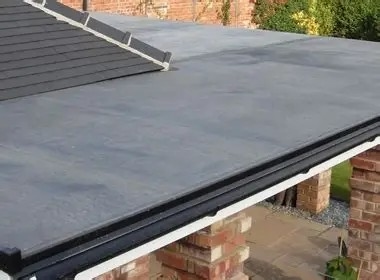
Flat roofs are a practical and increasingly popular option for residential properties across Florida. They are commonly installed on home additions, patios, garages, sunrooms, and contemporary-style homes. While flat roofing systems are engineered for durability, Florida’s extreme climate places unique stress on low-slope structures.
Heavy rainfall, hurricane-force winds, year-round humidity, salt air exposure in coastal regions, and intense ultraviolet radiation all contribute to faster material wear. Because flat roofs rely heavily on waterproof membranes and proper drainage systems, even minor damage can escalate quickly if left unaddressed.
If you live in Florida, particularly in high-rainfall coastal communities like Pensacola, recognizing early flat roof repair signs can protect your home from costly water intrusion and structural damage.
This guide explains the most common warning signs, why they occur in Florida weather conditions, and how homeowners can take preventative action.
Why Flat Roofs Require Extra Attention in Florida
Unlike pitched roofs that naturally shed water, flat roofs are designed with a minimal slope to allow controlled drainage. This design works effectively when drains and membranes remain intact. However, water moves more slowly across flat surfaces, increasing the potential for pooling and prolonged moisture exposure.
Florida’s environment intensifies roofing stress due to:
- Intense sun exposure causing thermal expansion
- Sudden, heavy downpours
- High humidity levels year-round
- Wind uplift during tropical storms
- Debris accumulation from surrounding vegetation
Flat roofing systems typically use materials such as TPO (thermoplastic polyolefin), EPDM rubber membranes, or modified bitumen. While durable, these materials depend on properly sealed seams and unobstructed drainage to perform effectively.
1. Persistent Ponding Water
One of the most common flat roof repair signs in Florida is ponding water, standing water that remains on the roof longer than 24 to 48 hours after rainfall.
While temporary pooling immediately after a storm is normal, water that lingers indicates a drainage problem. Common causes include:
- Blocked drains or scuppers
- Inadequate roof slope
- Structural settling
- Compressed insulation beneath the membrane
In Florida’s humid climate, standing water accelerates membrane deterioration and increases the likelihood of algae growth. Over time, ponding weakens the roof surface and may lead to seam failure or internal leaks.
Because flat roofs hold water longer than sloped systems, even minor drainage inefficiencies can shorten the roof’s lifespan.
2. Interior Ceiling Stains or Wall Discoloration
Water intrusion often becomes visible indoors before obvious exterior damage appears.
Homeowners should look for:
- Yellow or brown ceiling stains
- Peeling paint or bubbling drywall
- Damp insulation in attic spaces
- Musty or mildew odors
Flat roof leaks commonly develop around flashing, roof penetrations, or seams. Due to the roof’s minimal slope, water may travel beneath the membrane before becoming visible inside the home.
Ignoring minor discoloration can allow hidden moisture to spread through insulation and decking materials.
3. Blistering, Bubbling, or Membrane Cracking
Blisters and bubbles form when air or moisture becomes trapped beneath the roofing membrane. In Florida’s high heat, trapped moisture expands, increasing pressure on the membrane surface.
Surface cracking may result from:
- Long-term UV exposure
- Thermal expansion and contraction
- Aging materials
- Storm-related impact
These conditions weaken the waterproof barrier and create entry points for rainwater. Addressing membrane irregularities early prevents more extensive damage beneath the surface.
4. Seam Separation or Flashing Deterioration
Flat roofing systems are installed in overlapping sections sealed at seams. These seams are essential to maintaining waterproof integrity.
Over time, Florida’s intense sunlight and humidity can weaken seam adhesion. High winds during storms may also stress membrane edges and flashing components.
Warning signs include:
- Lifting or curling seam edges
- Visible gaps between membrane sections
- Loose or corroded flashing around vents or walls
Seam separation is one of the leading causes of flat roof leaks in coastal climates.
5. Sagging or Uneven Roof Areas
A properly functioning flat roof should appear level and structurally stable. If certain sections look depressed or feel soft under pressure, it may indicate:
- Water-saturated insulation
- Compromised decking
- Prolonged ponding
- Structural stress
Sagging areas increase the likelihood of further water accumulation and structural deterioration. Prompt evaluation is recommended.
6. Mold Growth or Increased Indoor Humidity
Florida’s natural humidity already presents mold risks. When flat roofs allow moisture intrusion, indoor air quality can decline quickly.
Indicators include:
- Mold spots along ceiling edges
- Persistent damp odors
- Increased indoor humidity levels
Moisture trapped beneath flat roofing membranes can remain undetected for extended periods before visible symptoms appear.
7. Rising Energy Costs
Many homeowners are surprised to learn that flat roof damage can affect energy efficiency. When insulation beneath the membrane becomes saturated with moisture, it loses its thermal resistance.
In Florida’s warm climate, compromised insulation can lead to:
- Higher cooling demands
- Uneven room temperatures
- Increased monthly utility bills
A sudden rise in energy costs may signal hidden roofing issues.
Impact of Florida Storms on Flat Roofs
Tropical storms and hurricanes place significant stress on flat roofing systems. Wind uplift can loosen membrane edges, while debris can clog drainage pathways. Wind-driven rain may infiltrate weakened seams or flashing.
Even when visible damage is minimal, hidden moisture intrusion may occur. Post-storm inspections are strongly advised for flat roof systems throughout Florida, particularly in coastal cities such as Pensacola.
Preventative Maintenance Tips
Proactive care extends the lifespan of flat roofing systems and reduces costly emergency repairs.
Recommended maintenance practices include:
- Clearing drains and scuppers regularly
- Removing debris after storms
- Inspecting seams and flashing seasonally
- Scheduling annual professional inspections
- Addressing small cracks immediately
Flat roofs require more frequent monitoring than steep-slope roofs due to their drainage dependency.
When Professional Repair Is Necessary
Professional evaluation is recommended if you observe:
- Persistent ponding water
- Interior leaks or stains
- Surface blistering or cracking
- Lifting seams
- Storm-related debris damage
Flat roofing systems require specialized materials and installation techniques. Temporary patch repairs without proper diagnosis may result in recurring problems.
Frequently Asked Questions
How do I know if my flat roof needs repair?
Signs include ponding water, interior staining, bubbling membranes, seam separation, or sagging sections. Early detection prevents structural damage.
Is ponding water normal on a flat roof?
Short-term pooling immediately after heavy rainfall can be normal. However, water that remains longer than 48 hours signals drainage issues.
How often should flat roofs be inspected in Florida?
Flat roofs should be professionally inspected at least once per year and after significant storms. Coastal properties may require additional evaluations.
Can Florida heat damage flat roofing materials?
Yes. Prolonged UV exposure and thermal expansion accelerate membrane aging and seam deterioration.
Final Thoughts
Florida’s climate is unforgiving on flat roofing systems. Constant sun exposure, heavy rain, humidity, and seasonal storms can quickly turn minor surface wear into serious structural damage if left unaddressed. Recognizing early warning signs like ponding water, membrane cracks, seam separation, blistering, or interior stains allows homeowners to act before repairs become costly replacements.
Routine inspections, especially after major storms, are essential to extending the life of your flat roof and protecting your home from water intrusion. Preventative maintenance is always more affordable than emergency restoration.
If you’ve noticed signs of damage or simply want professional peace of mind, Complete Roofing LLC provides expert flat roof inspections and repair services designed specifically for Florida homes. Proactive care today can save thousands in structural damage tomorrow.